Design | Production | Installation
Blade Signs in Green Bay, WI
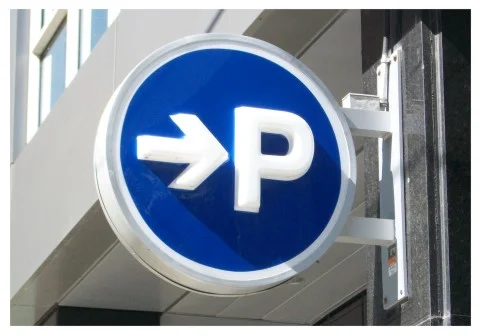
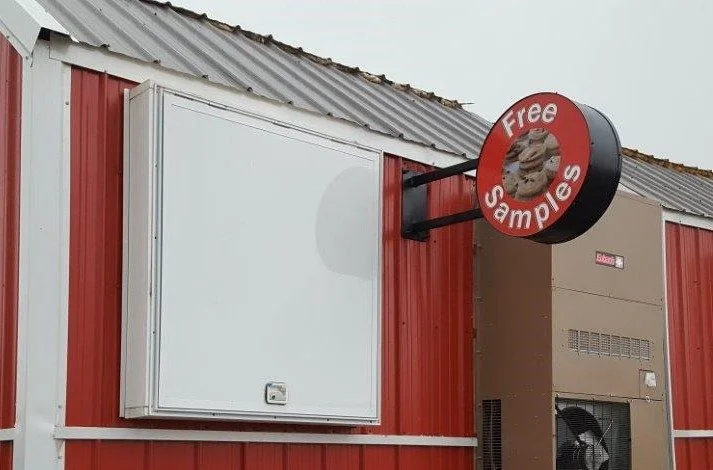
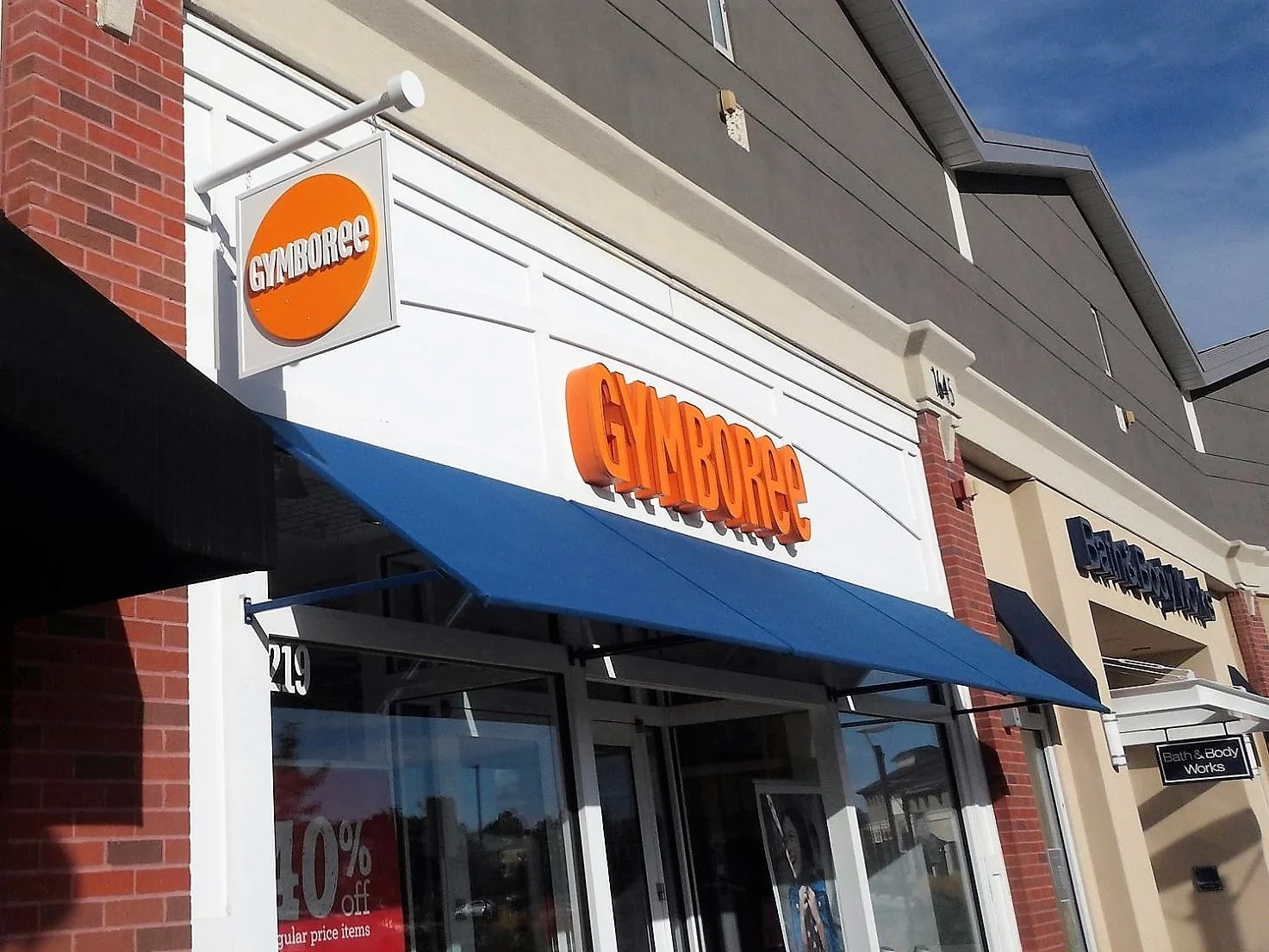
Blade signs mounted perpendicular to the facade help catch pedestrian attention to capture two-directional traffic. Unlike business signs mounted flat against the building, perpendicularly-placed outdoor signs can be useful for storefronts, restaurants, boutiques, and other properties where visibility matters.
Read our customer reviews →Free Sign Consultation
Tell us about your project.
Covenant Signs & GraphicsDesign, production, and installation
Service Overview
Blade Signs
Blade signs mounted perpendicular to the facade help catch pedestrian attention to capture two-directional traffic. Unlike business signs mounted flat against the building, perpendicularly-placed outdoor signs can be useful for storefronts, restaurants, boutiques, and other properties where visibility matters.
Covenant Signs & Graphics provides sign design with customized in-house production, and professional installation for commercial projects in Green Bay and the surrounding region.
Evaluate viewing distance, mounting conditions, clearance, and illumination needs for each property.
Request a free quote now.
Start Your Project →Custom Options
Blade Signs for Your Project
1. Double-Sided Blade Sign Panels
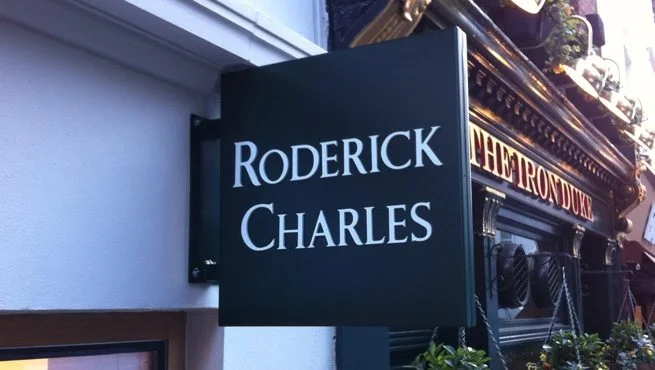
Double sided blade signs in green bay can display a business name, logo, or other key messages on both faces, providing visibility from different directions. The layout should prioritize readable text and recognizable branding rather than crowding the panel with too much information.
2. Illuminated Projecting Signs
Illuminated projecting signs in Green Bay can help businesses remain visible even in low-light conditions. The duration and time of sign visibility, building's electrical access, and related requirements needs assessment before choosing illuminated signs for installation.
3. Architectural Brackets and Custom Finishes
Architectural brackets support the storefront signs and affect how it projects from the building depending upon the property's architecture. Older buildings or locations with distinctive designs feature antique sign designs. Similarly, modern buildings need advanced custom signage to help maintain a cohesive appearance.
Why Covenant Signs & Graphics
Your Sign Project, From Design to Installation.
Your Brand
Choose graphics and design details that reflect your business.
Your Space
Plan signage for its intended indoor or outdoor environment.
Your Materials
Compare materials and finishes around the application and budget.
Graphic Design
Develop a new concept or refine your existing design.
Production
Turn the approved design into signage in the selected materials.
Installation
Coordinate the placement and installation of the finished sign.
How It Works
Design & Installation Process
- 01
Consultation
Tell us about your business, signs, location, and budget.
- 02
Design
Review graphics, dimensions, and materials for your project.
- 03
Approval
Confirm the design before manufacturing begins.
- 04
Production
Your selected materials and approved artwork become finished signs.
- 05
Installation
Our team coordinates placement and installation.
Planning Guide
Plan the Details of Your Signs
Location
Identify where each sign will go and how people will see it.
Materials
Discuss the environment, finish, and intended length of use.
Design
Prepare your logo, wording, colors, and any existing brand guidelines.
Project Scope
Share quantities, dimensions, and your preferred schedule and budget.
4. Dimensional or Flat Graphic Treatments
Dimensional letters offer visual effects with raised 3D letters and other dimensional elements to add depth. While flat graphics can present a logo, name, or message in a simpler format depending on the location, property need, desired appearance, and suitable material options.
Planning Blade Signs for the Property / Use Case
A blade sign should fit the building and the path people take past it. Start by considering where pedestrians will approach, how far away they will be when they see the sign, and how much information needs to be displayed. These factors help guide sign size, layout, and placement.
Clearance and projection also matter. The sign must be planned around pedestrian movement, the building facade, and applicable local requirements. Wall construction affects how the sign can be anchored, while architectural details or historic character may influence the appropriate design and mounting approach.
If you are considering an illuminated sign, check whether suitable electrical access is available and what installation work may be required. Permits, electrical work, engineering, and other code-related requirements vary by property and location. Reviewing these factors before finalizing the design helps establish a practical approach for your specific site.
Projection, Clearance & Safe Mounting
Since blade signs extend outward from a building, their placement requires attention to clearance, mounting, and the surrounding pedestrian area. The appropriate projection and height depend on the property, the proposed sign, and any requirements that apply at that location.
Wall construction and anchoring use unique mounting methods depending on specific building facade and sign configuration rather than assumed or standard signs. Depending on the project, a review may address structural support, electrical connections, property permission, and local sign permits.
During project planning, the final placement and installation requirements should be confirmed for the site before work proceeds forward. A single clearance measurement or mounting method should not be applied everywhere.
Where Blade Signs Work Well
Blade signs in Green Bay can be used for businesses where people move along a sidewalk or approach from multiple directions. In downtown and walkable retail areas, they can help identify storefronts without requiring visitors to face the building directly.
Restaurants and hospitality venues may use them to mark entrances, while boutiques and professional offices can use projecting signs to make their locations easier to recognize.
Mixed-use developments may also use them to distinguish individual businesses within a larger property. The right configuration depends on the building, pedestrian approach, and applicable installation requirements.
Why Work With Covenant Signs & Graphics
Based in Green Bay, Covenant Signs & Graphics brings consultation, design, in-house production, and professional installation together through one team. This coordinated approach gives businesses a clear point of contact throughout their blade sign project.
A free consultation helps you discuss your property, branding, and visibility goals before settling on a sign approach. Material and finish recommendations can account for the installation environment, intended appearance, and practical needs of the site.
Covenant also provides ongoing support and serves businesses across Green Bay and its verified Northeast Wisconsin service area. Whether you are planning projecting signs or hanging signs in Green Bay for a pedestrian-facing space, the team can discuss the project requirements and next steps with you.
Request a Blade Signs Quote
Planning a blade sign for your Green Bay business? Share a few details so Covenant Signs & Graphics can better understand your project and recommend a suitable next step.
When requesting a quote, include:
• Your property address or project location
• Photos of the building and proposed mounting area, plus any available measurements
• Your logo, brand artwork, or design references
• Your preferred sign style, visibility goals, and illumination needs
• Any landlord, property-management, or brand standards that apply
Ready to discuss your project? Request a free quote through our contact page.
Hear from our customers.
Frequently Asked Questions
Questions About Blade Signs
Frequently Asked Questions About Blade Signs
1. What blade sign options are available?
Options may include double-sided panels, illuminated projecting signs, custom brackets and finishes, and flat or dimensional graphics. The right configuration depends on your building, branding, viewing direction, and visibility goals.
2. What affects the cost of a custom blade sign?
Pricing depends on factors such as sign size, materials, graphics, illumination, bracket design, mounting conditions, and installation requirements. Site access and any necessary approvals can also affect the project scope. A tailored quote is the best way to assess your specific needs.
3. What is involved in the blade sign installation process?
The process typically includes a consultation, design and proof review, in-house production, professional installation, and ongoing support. The team may need to review the wall or mounting surface, attachment method, clearance, access, and electrical needs for illuminated signs.
4. Do blade signs require permits or approval?
Requirements vary by property and local jurisdiction. Sign dimensions, projection, placement, illumination, building conditions, and historic-district rules may affect what is permitted. Property owners may also need landlord or property-management approval. Confirm the applicable requirements before installation.
5. How can I maintain, update, or remove a blade sign?
Maintenance depends on the sign materials, finish, lighting, and exposure to the elements. Periodic checks for visible damage, loose components, or lighting issues can help identify when attention is needed. Updates or removal should account for the mounting system and the condition of the building.
6. Does Covenant serve businesses outside Green Bay?
Covenant serves Green Bay and verified nearby markets across Northeast Wisconsin. Share your property location during the consultation so the team can confirm whether your project falls within its service area.
From Consultation to Installation
Covenant Signs & Graphics guides your blade sign project from the initial discussion through production, installation, and ongoing support. Each project begins with a free consultation to understand your property, visibility goals, and preferred sign style.
1. Consultation and Site Discussion: Discuss your location, intended audience, branding, and sign requirements. A site review can help identify mounting considerations and potential clearance constraints.
2. Design and Proof Review: Review the proposed sign design, graphics, and appearance before production.
3. In-House Production: Once the design is approved, your sign moves into production with the Covenant team.
4. Professional Installation: Installation planning considers the mounting surface, attachment method, access, and any relevant electrical requirements for illuminated signs.
5. Ongoing Support: Covenant can assist with future sign updates or additional needs as your business or property changes.
The steps and project requirements depend on the property, sign configuration, and applicable approvals. Discussing these details early helps establish a practical plan without assuming a fixed installation timeline.
Free Sign Consultation
Let’s Plan Your Blade Signs.
Tell us about your ideas and the space where your signs will be installed.