Planning Point-of-Purchase Displays for Your Property/Use Case
Before selecting a format, consider the following factors.
Product Size and Shopper Interaction: Consider the size of the item and how customers will interact with it. Will they pick it up, read about it, or simply walk past?
Temporary Campaigns or Reusable Displays: For seasonal offers or multiple product launches, consider how easily the graphics can be updated and whether the structure can accommodate future messaging.
Available Space and Placement: Measure the intended location and consider nearby fixtures. A display should be visible without unnecessarily obstructing customer movement or access to merchandise.
Frequency of Graphic Changes: Plan for updates from the beginning. Less frequent campaigns may benefit from a more permanent presentation aligned with the brand's long-term needs.
Durability, Transport, and Storage: For multi-location rollouts, materials and construction should reflect the expected handling, installation environment, and storage conditions.
Where permits, electrical work, engineering, or local requirements apply, the appropriate considerations depend on the specific project and location. These details should be reviewed before finalizing the design.
Where Point-of-Purchase Displays Work Well
Point-of-purchase displays fit a range of commercial settings. Select a format that serves your immediate purpose and fits the wider environment.
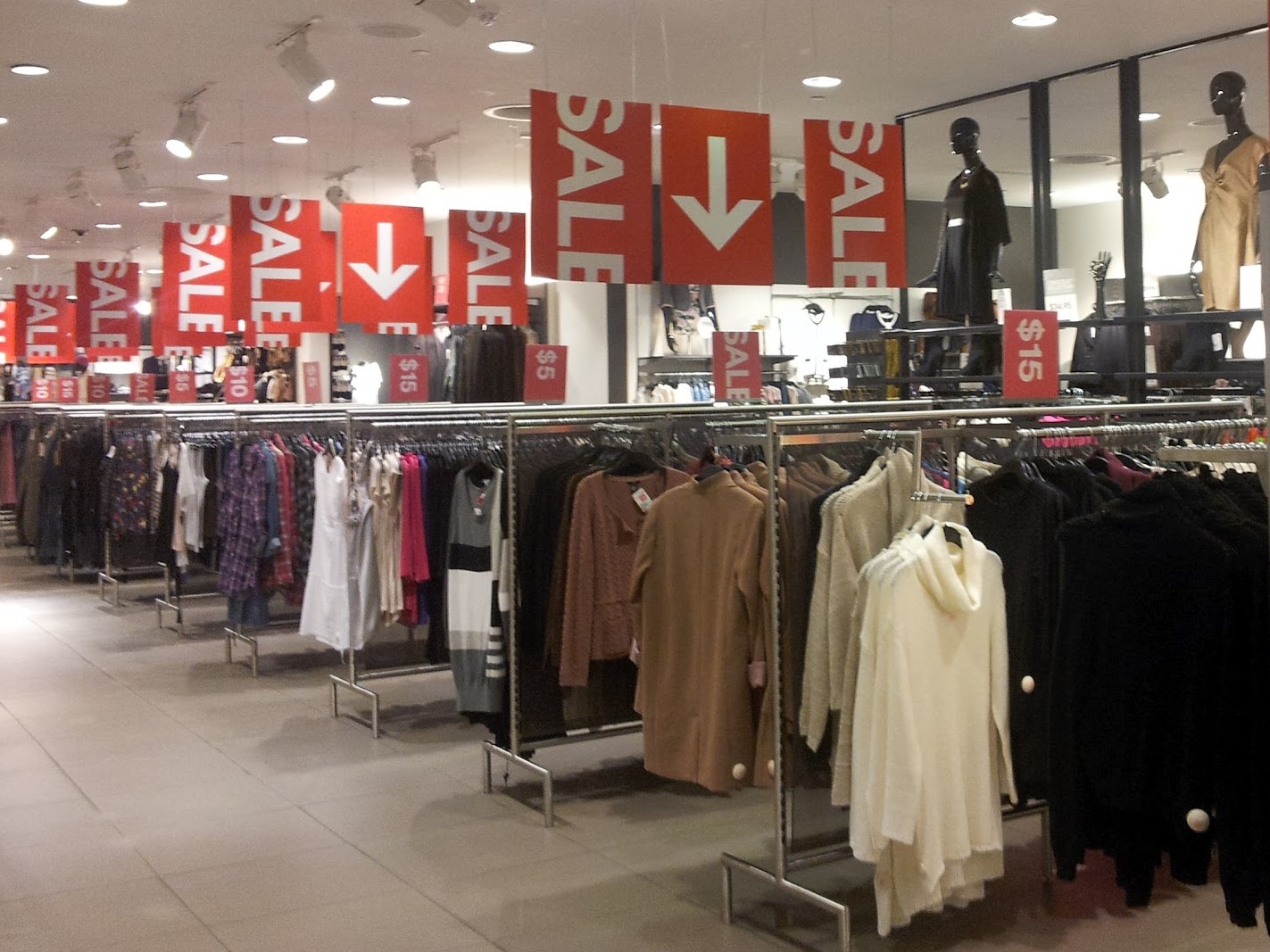
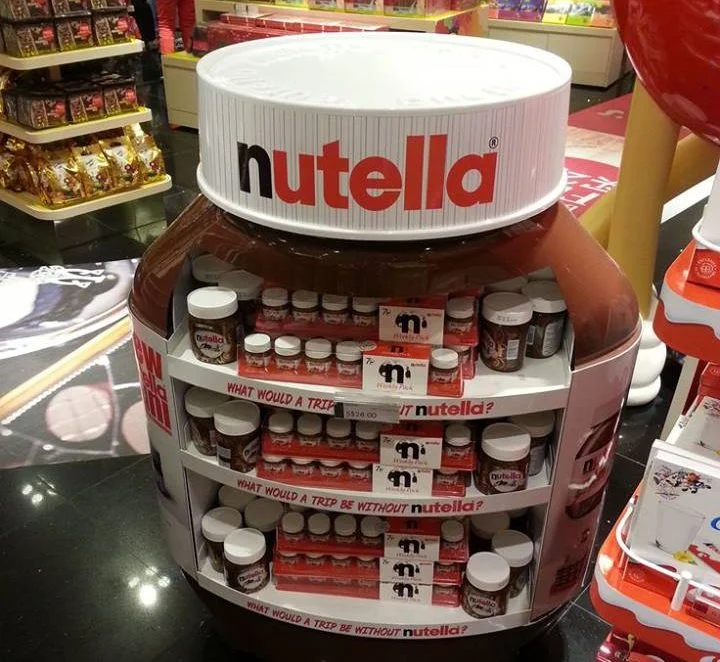
Retail Stores: Highlight featured merchandise, seasonal offers, new arrivals, or products near checkout counters, planned around an individual product category or a wider in-store campaign.
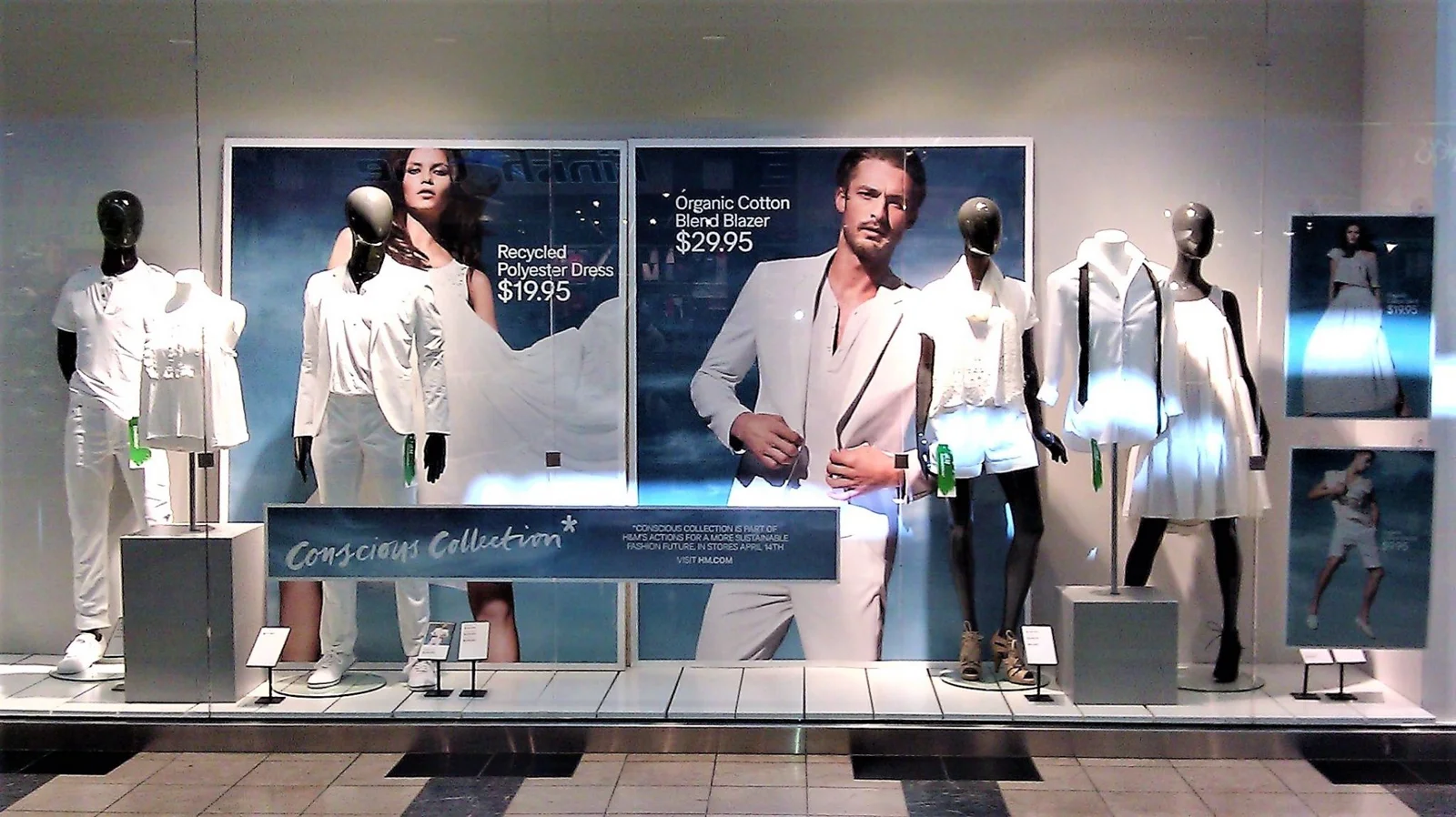
Showrooms: Use branded panels and product-focused displays to introduce features, explain options, and organize products into clear presentation areas.
Events and Product Launches: Freestanding displays and coordinated graphics can help establish a branded area, present a new product, or communicate key information to attendees.
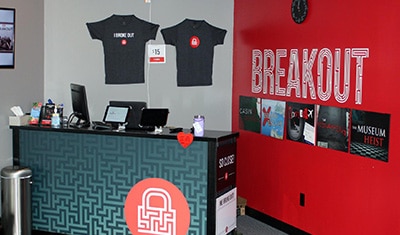
Hospitality and Service Counters: Accommodate promotional materials, product information, brochures, or selected merchandise. Compact formats can communicate relevant offers while keeping the service area functional.