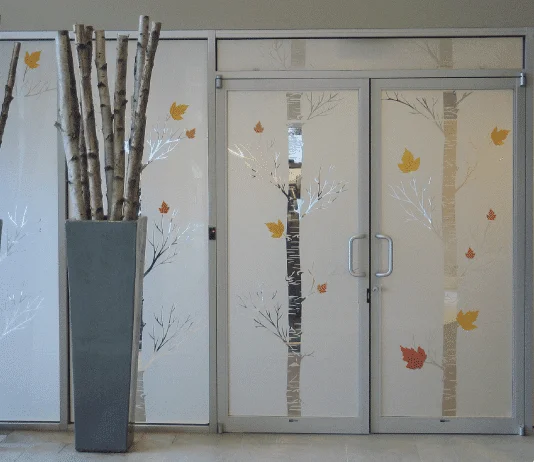
Decorative and Branded Film
Custom patterns, logos, and color fields make glass part of your brand. This suits lobbies, reception walls, and tenant suite entrances where appearance matters as much as function.
 (920) 949-7089
Glass brings in natural light, but it can also expose areas like conference rooms, exam spaces, or front desks to passersby. Commercial window film in Green Bay adds privacy, branding, and storefront style without replacing your glass. At Covenant Signs & Graphics, our local team handles design, production, and installation, ensuring every step fits your property’s needs.
Read our customer reviews →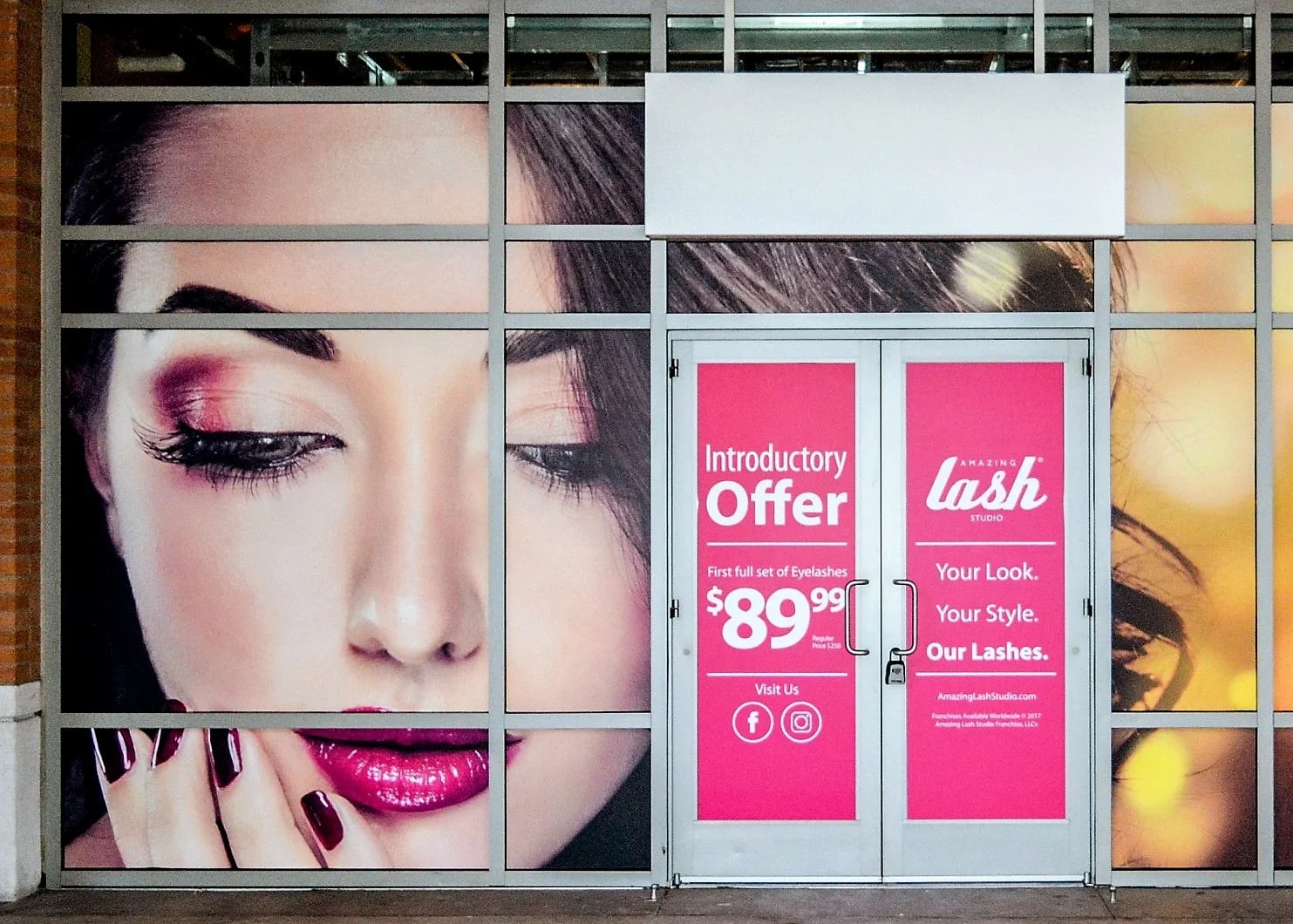
Window film can improve privacy or add branding without replacing glass. It suits exposed meeting spaces, unbranded storefronts, and other glass areas that need a more purposeful appearance.
A few key choices will guide your project, including how much privacy you want, how much natural light to keep, whether the film goes inside or outside, and how long you want the design to last. If you’re interested in cut lettering or flat graphics, our vinyl lettering might also be a good option.
Start Your Project →The right option depends on what the glass needs to do. Not every option belongs in every project.
Custom patterns, logos, and color fields make glass part of your brand. This suits lobbies, reception walls, and tenant suite entrances where appearance matters as much as function.
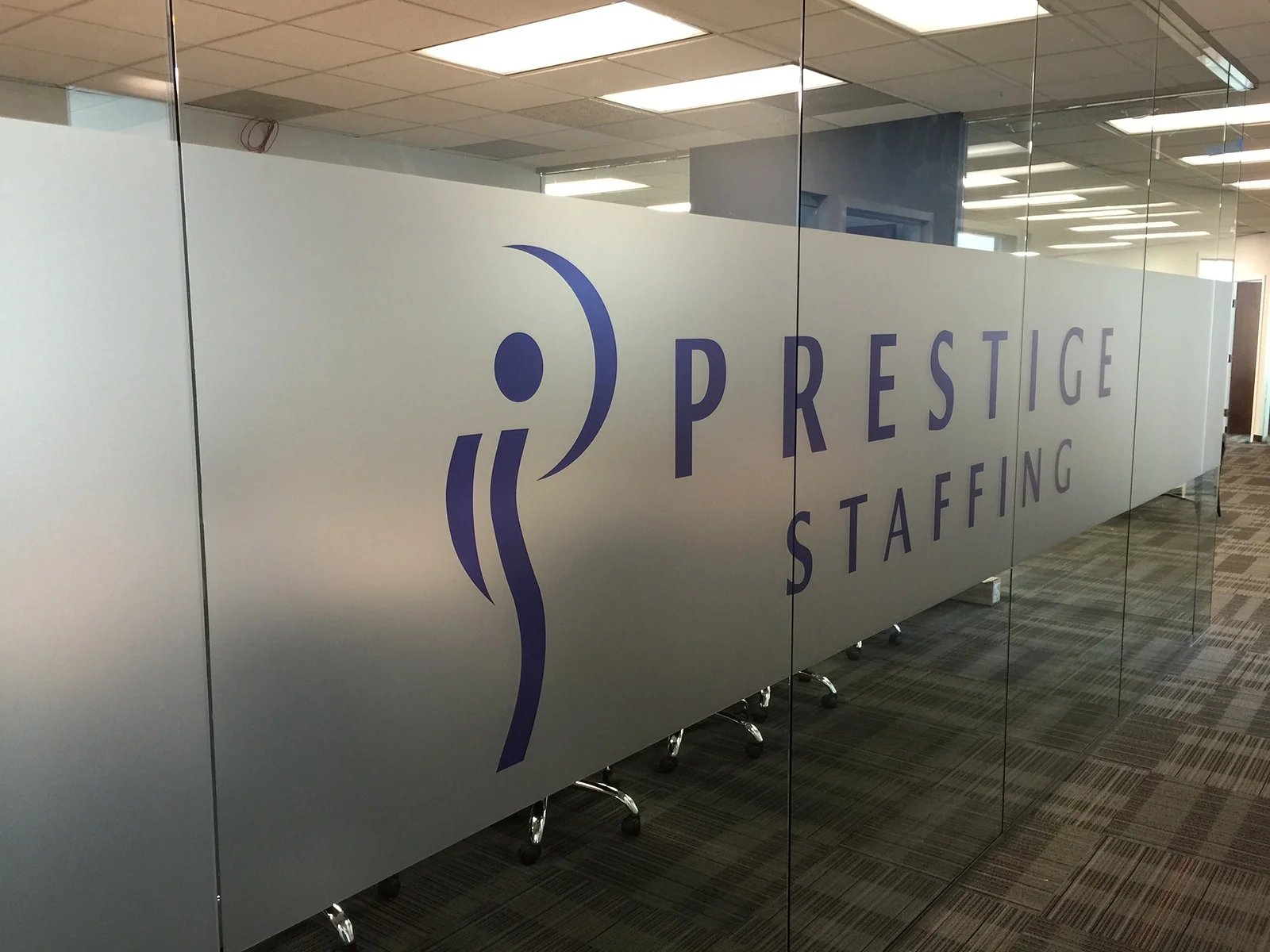
Privacy film limits what people can see through the glass. It suits meeting rooms and work areas that need separation from hallways or neighboring spaces. For wayfinding and identification near those rooms, see our office signs page.
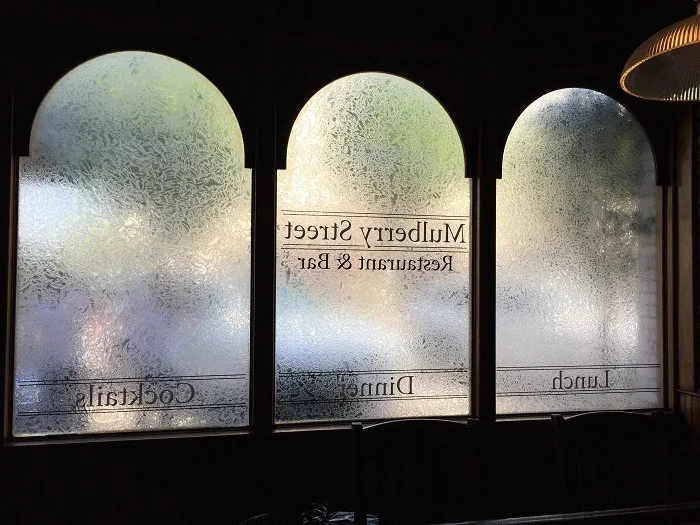
Frosted window film gives glass a soft, translucent look similar to etched glass, and may suit future design changes, depending on the film and the glass. It works well on partitions and doors that need a polished look and some visual separation.
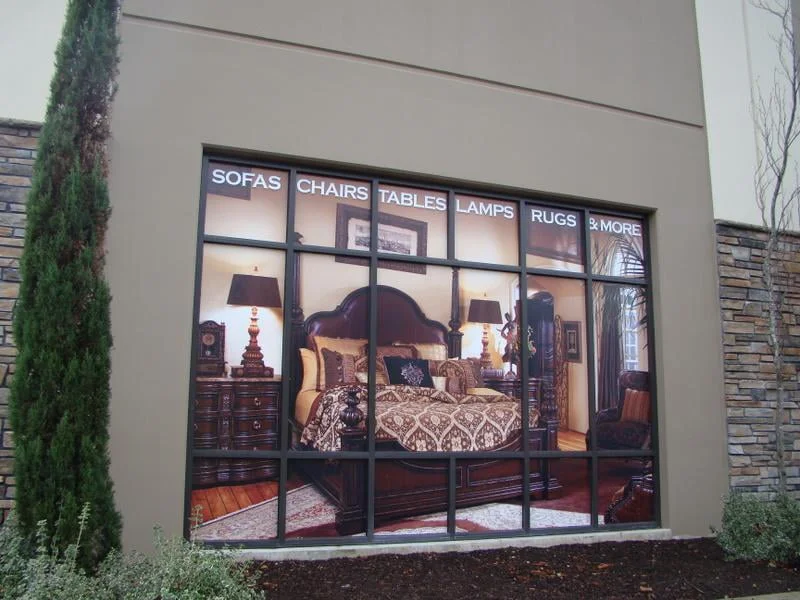
On street-facing glass, film can carry hours, services, seasonal messages, or brand graphics. If your needs center on lettering and messaging, our window graphics page covers that in more depth.
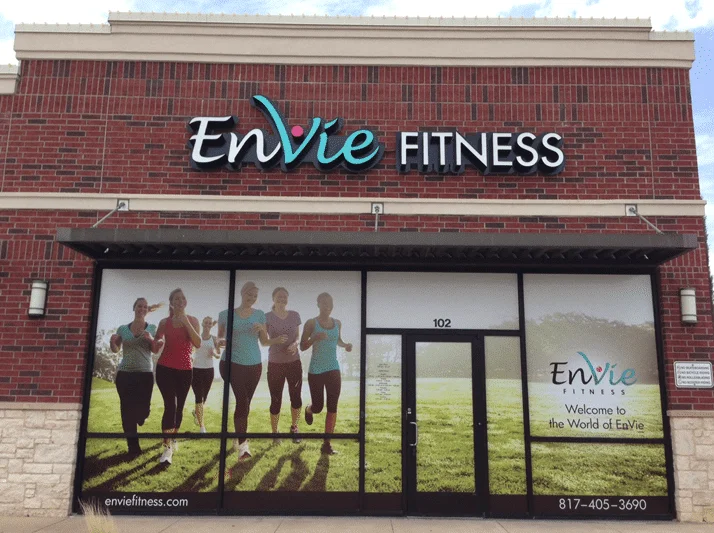
Perforated window film is printed film with small openings that allow some visibility from inside while showing a graphic outside. It suits certain exterior glass applications, and we will tell you plainly if it is not the right match for your glass or lighting.
We discuss your goals, the type of glass, and any landlord or brand requirements. We review the site details and glass surfaces to help select a suitable film.
We create the layout, pattern, or artwork and send you a proof to review and approve.
The approved design guides film preparation, material selection, and installation planning.
Our team installs the film on your glass.
If you need help or updates later, you can reach out to our local team.
The timeline depends on your project and the review steps. We’ll discuss timing once we understand your needs.
A short planning conversation prevents most surprises. These are the factors we review with you:
Privacy level and sightlines: Who needs to be kept from seeing in, from where, and at what times of day?
Interior vs. exterior application: Some films are rated for interior use, while others are rated for exterior exposure. Wisconsin weather matters when film faces the outdoors.
Natural light goals: More coverage generally means less daylight, so we help you balance privacy and brightness.
Glass type and surface condition: Both affect which films make sense and how they are applied.
Branding pattern, removal, and future changes: If your logo, suite number, or tenant may change, tell us up front.
Permits, electrical work, engineering, and building code may or may not apply, depending on the project and location. Landlord and property rules can also apply. We discuss these during planning instead of assuming one set of requirements for every site.
Privacy window film usually works by making glass translucent, so people see shapes and light but not clear detail. That is useful, but it is not complete confidentiality, and the effect can shift with lighting on either side of the glass. The amount of transmitted light depends on the selected film, existing glass, and room conditions.
Decorative window film can serve two purposes. A patterned or logo-based design adds privacy where you need it and reinforces your brand where visitors look first.
For medical and legal spaces, film is one privacy tool among several. It can reduce visibility into a room, but it doesn't guarantee compliance with any privacy regulation.
Conference rooms and offices: Glass walls stay bright, while meetings and screens are less visible from outside.
Medical and professional facilities: Waiting areas and consultation rooms often need separation without losing light.
Storefront glass: Film can carry branding or messaging on windows and doors facing the street.
Tenant spaces and interior partitions: Shared buildings often need a consistent look between suites, with a design that can be updated when tenants change.
Depending on the film and viewing conditions, partial frosting, bands, or patterned coverage may reduce direct sightlines while retaining some natural light. Privacy is not guaranteed under every lighting condition.
Custom logos and branded patterns may be possible with suitable film. Artwork, glass dimensions, and photographs help determine design and placement options.
Suitability depends on glass composition, coatings, condition, film selection, and application location. A glass and product compatibility assessment is needed before selecting or installing film.
Some films can be replaced later, but removal results depend on adhesive, glass condition, and time in place. Discuss future branding changes before installation.
Whether you need a permit or approval depends on your property, the type of installation, and local rules. You may also need your landlord’s or property manager’s approval. We’ll help you figure out what you need for your location when we plan your project.
Yes, we serve Green Bay, Appleton, Two Rivers, and the broader Northeast Wisconsin area.
To begin, we’ll need a few details from you:
or call us at (920) 949-7089. We’ll get back to you with a recommendation for your space.
Tell us about your ideas and the space where your signs will be installed.