Pylon Sign Options & Configurations
Pylon sign design depends on the property's visibility needs, tenant layout, available space, and site conditions.
 (920) 949-7089
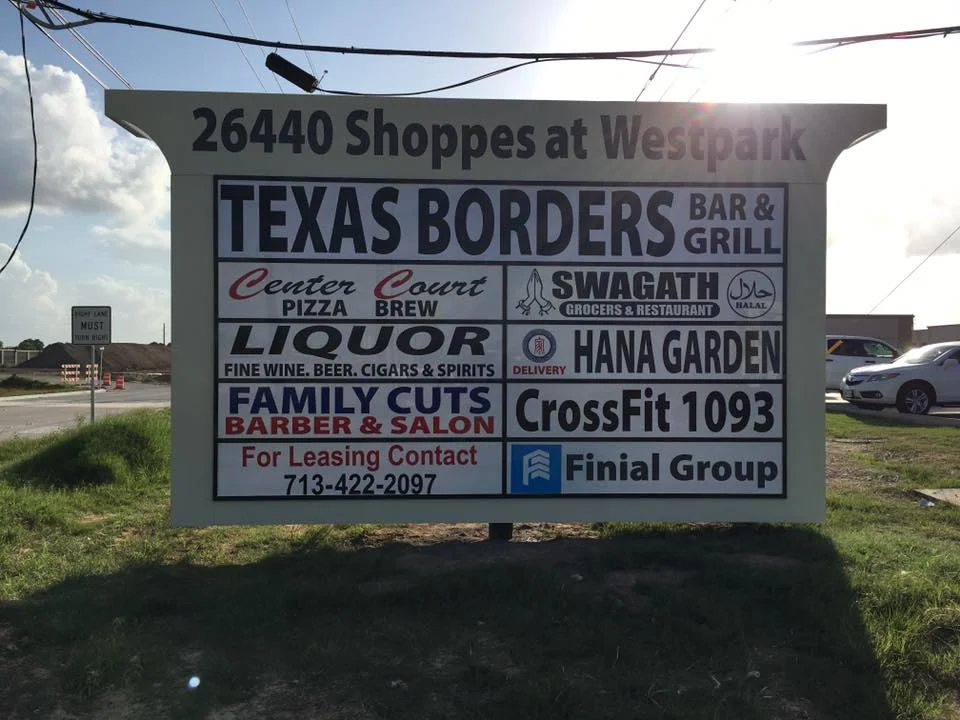
Pylon and pole signs can identify businesses and tenants from an elevated freestanding structure. Consider them for properties set back from the road or locations where nearby buildings or landscaping affect visibility.
Read our customer reviews →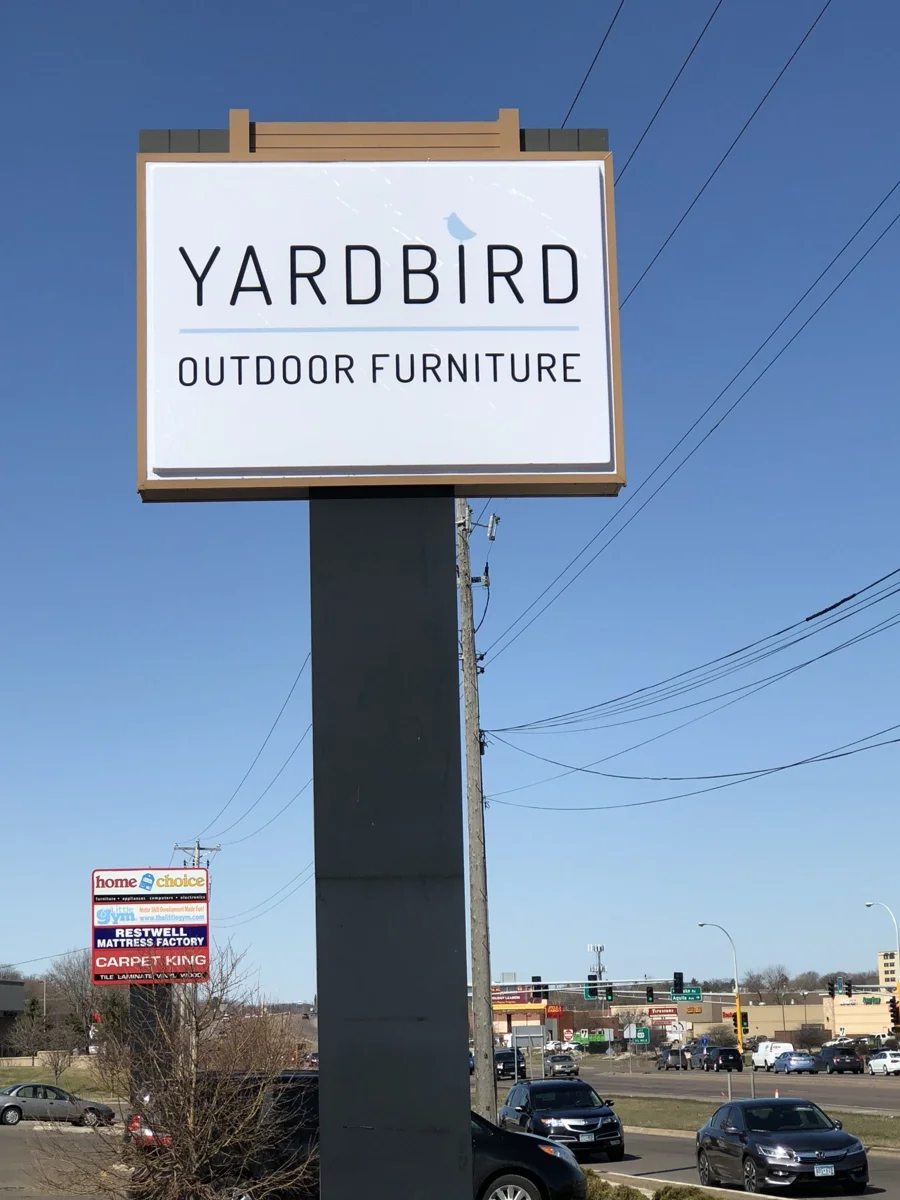
Pylon and pole signs can identify businesses and tenants from an elevated freestanding structure. Consider them for properties set back from the road or locations where nearby buildings or landscaping affect visibility.
The right design depends on road approach, available space, utilities, tenant needs, site conditions, and applicable property rules.
At Covenant Signs & Graphics, we help businesses explore sign options suited to their properties and goals. Whether you need pylon signs in Green Bay to identify one business or organize information for several tenants, we can discuss your requirements and help you plan an appropriate solution.
Start Your Project →Pylon sign design depends on the property's visibility needs, tenant layout, available space, and site conditions.
A single-business pylon provides elevated identification. It can suit properties set back from the road or sharing access routes. Design proportions and road-approach views affect readability.
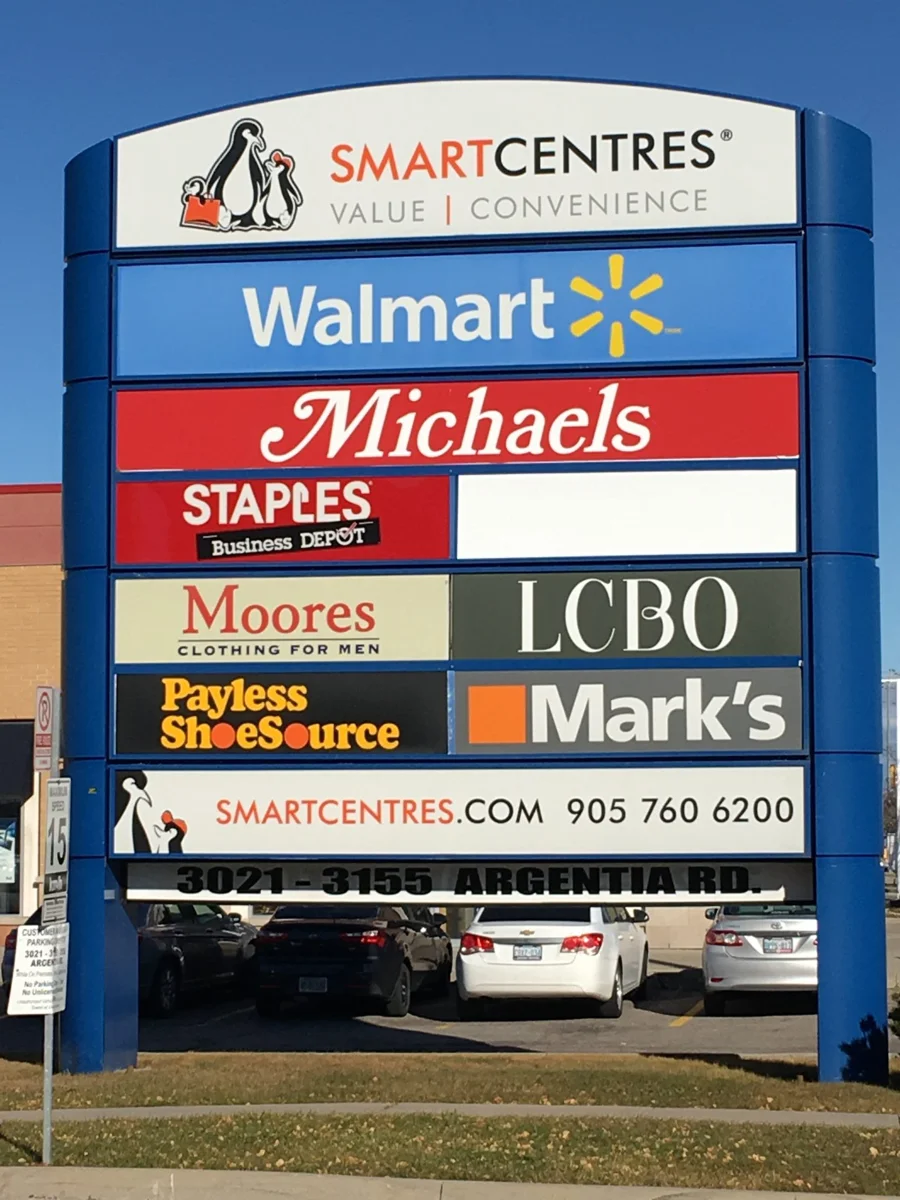
Suitable for shopping centers and commercial plazas that need to organize tenant names and other approved information within a shared structure. Consistent typography, spacing, and branding on each panel can help visitors locate individual businesses more easily. The design should also account for future updates if tenant information changes over time.
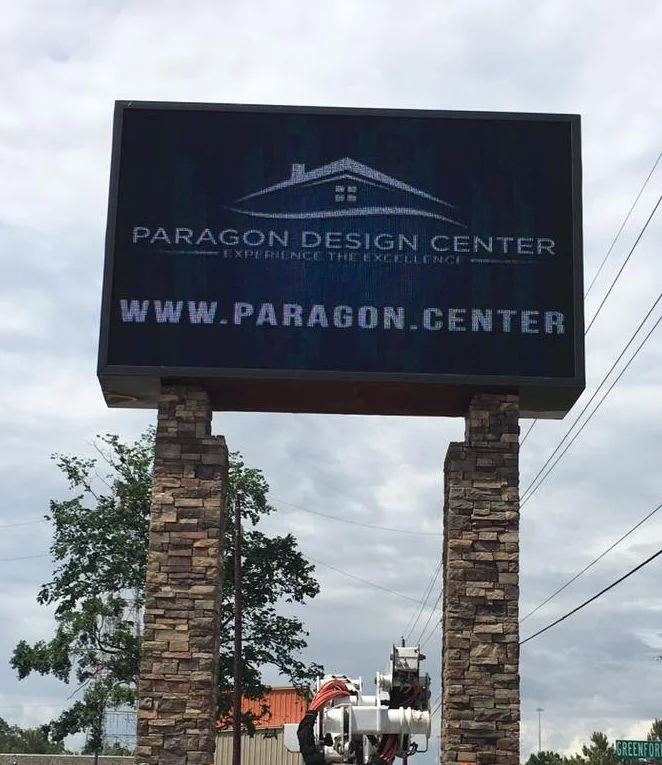
Exposed-pole designs leave part of the supporting structure visible. Enclosed designs incorporate the support into a more finished architectural form, giving the sign a more integrated visual presence. The choice depends on the property's character, the desired appearance, structural requirements, and the available installation area.
Choose graphics and design details that reflect your business.
Plan signage for its intended indoor or outdoor environment.
Compare materials and finishes around the application and budget.
Develop a new concept or refine your existing design.
Turn the approved design into signage in the selected materials.
Coordinate the placement and installation of the finished sign.
Tell us about your business, signs, location, and budget.
Review graphics, dimensions, and materials for your project.
Confirm the design before manufacturing begins.
Your selected materials and approved artwork become finished signs.
Our team coordinates placement and installation.
Identify where each sign will go and how people will see it.
Discuss the environment, finish, and intended length of use.
Prepare your logo, wording, colors, and any existing brand guidelines.
Share quantities, dimensions, and your preferred schedule and budget.
Lighting may help identify a property after dark, while digital elements support changing messages. Suitability depends on visibility, electrical capacity, structure, and applicable sign rules.
Consider these questions before deciding whether a tall freestanding sign is the right call for your property.
Road Approach and Sightlines: Consider where drivers approach the property, how fast traffic is moving, from which directions, and when they can first see the sign. Nearby buildings, trees, and other signs may also affect visibility.
Available Space and Setbacks: The proposed location must work within the property's boundaries, access arrangements, and applicable setback requirements.
Tenant Identification: A single-business property may need a simple name display, while a multi-tenant development may require a carefully organized information layout. Plan for change now so the sign stays useful.
Ground and Underground Conditions: Soil conditions, buried utilities, drainage, and other site features can affect where a structure can be placed and how the support is designed.
Surrounding Structures: Existing signs, buildings, parking areas, landscaping, and overhead obstructions can affect sightlines and influence the sign's final position and design.
Support and Installation Requirements: The proposed structure needs appropriate technical assessment for the specific site and configuration. This is engineering territory and depends on the sign's design, soil, and site.
Budget and Ongoing Needs: Consider the design, production, installation, any lighting or digital components, and potential future tenant updates. Tell us what you're working with, and we'll help you prioritize.
Pylon Signs vs. Monument Signs: If you're considering a lower-profile option, monument signs sit closer to the ground and are often used for a more architectural, ground-level presence. They can be a better fit when height isn't needed or when local rules limit freestanding height. For the wider category, see our outdoor signs overview.
Pylon signs can serve a range of commercial settings where clear property identification matters.
Shopping Centers: A shared sign can identify a retail destination and help visitors locate participating businesses.
Roadside Commercial Properties: Businesses set back from busy streets may benefit from an elevated identification point, subject to sightlines and local requirements.
Industrial Parks: Freestanding signage can help visitors distinguish a development or business entrance within a larger industrial area.
Multi-tenant Developments: A coordinated display can display several business names in one location, helping organize information for customers and deliveries.
Planning commercial pylon signs in Green Bay involves more than choosing a design. Here's how we approach it:
We develop the proposed layout around your identification needs, branding, and the site's characteristics. For multi-tenant projects, this includes considering the relationship between individual panels and the overall sign.
Production planning follows the design discussion, with materials and finishes selected for the intended application, appearance, setting, and budget.
Installation planning considers the proposed location, supporting structure, site access, and any relevant electrical or groundwork requirements. Depending on the project, property-owner approval, structural review, utility checks, and local permits may be necessary.
If your business or tenant information changes, you can discuss the next steps with our team. Any updates will depend on the original configuration and the work required. We will establish installation arrangements and timing after reviewing the relevant details.
Covenant Signs & Graphics is based in Green Bay, Wisconsin, and serves businesses across Green Bay, Appleton, Two Rivers, and the wider Northeast Wisconsin region.
From the initial consultation to the completed sign, the project is shaped by the property's intended use, site conditions, visual design, and budget. Structural, electrical, and installation needs vary by configuration.
Whether you are planning identification for one business or a shared sign for a commercial development, we can help you evaluate your options and identify the information needed to move the project forward.
Planning pylon signs for your Green Bay-area property? Covenant Signs & Graphics can discuss your requirements and help you explore a suitable option.
To prepare for your consultation, share your property address, sign requirements, tenant details, lighting preferences, and any available site plans, utility information, or approval requirements.
Don’t have all the information? No problem. Share your property details and sign requirements with Covenant Signs & Graphics to discuss suitable options for your site.
Request a Free Quote or call us at (920) 949-7089.
A pole sign typically refers to a design where the supporting pole or poles remain visible, while a pylon sign may incorporate an enclosed or more architectural support. The terminology can overlap, so the proposed design is more important than the label alone.
Yes, a multi-tenant configuration can display several business names or other approved information within one sign structure. The layout should prioritize readability, consistent presentation, and the required amount of information. Future changes to tenant details should also be considered during planning.
Dimensions, materials, tenant panels, illumination, site conditions, structural needs, and installation affect cost. Discuss the specific property before requesting a quote.
Illumination may be appropriate when a property needs to remain identifiable after dark. Digital messaging may also suit locations that need to communicate changing information. Both options require consideration of visibility, technical requirements, the surrounding environment, and applicable permissions.
Share the property address, road-approach photos, tenant details, artwork, desired lighting, available site drawings, and any landlord criteria. Structural, underground-utility, electrical, and jurisdictional requirements must be evaluated for the actual site.
We begin by discussing your property, intended use, visibility concerns, tenant requirements, and preferred appearance. Available photographs, site plans, and property information can help establish the project's starting point.
Tell us about your ideas and the space where your signs will be installed.